Share a Home, Keep Your Privacy: Smarter Devices That Respect Boundaries
Today we explore Privacy-Safe Smart Home Devices for Shared Apartments, turning shared living into a fair, comfortable, and secure experience. Discover how local processing, clear consent, and respectful automation can reduce conflicts, protect personal data, and still deliver the magic of lights that know your schedule, locks that remove key anxiety, and sensors that save energy without watching anyone. Expect practical tips, honest stories, and ways to agree on settings that keep friendships thriving while technology quietly does its job.
Foundations of Trust in a Connected Flat
When devices enter a shared space, trust begins with transparency and restraint. Choose gadgets designed to process data locally, expose clear privacy controls, and avoid unnecessary collection. Favor standards that interoperate without exposing your apartment to random clouds you cannot audit. Make consent visible through shared dashboards, explain what each automation does, and set boundaries like camera-free zones and microphone hardware switches. The more predictable your setup is, the easier it becomes to relax, collaborate, and enjoy daily conveniences without nervous glances.

Room-by-Room Devices That Play Nice with Roommates
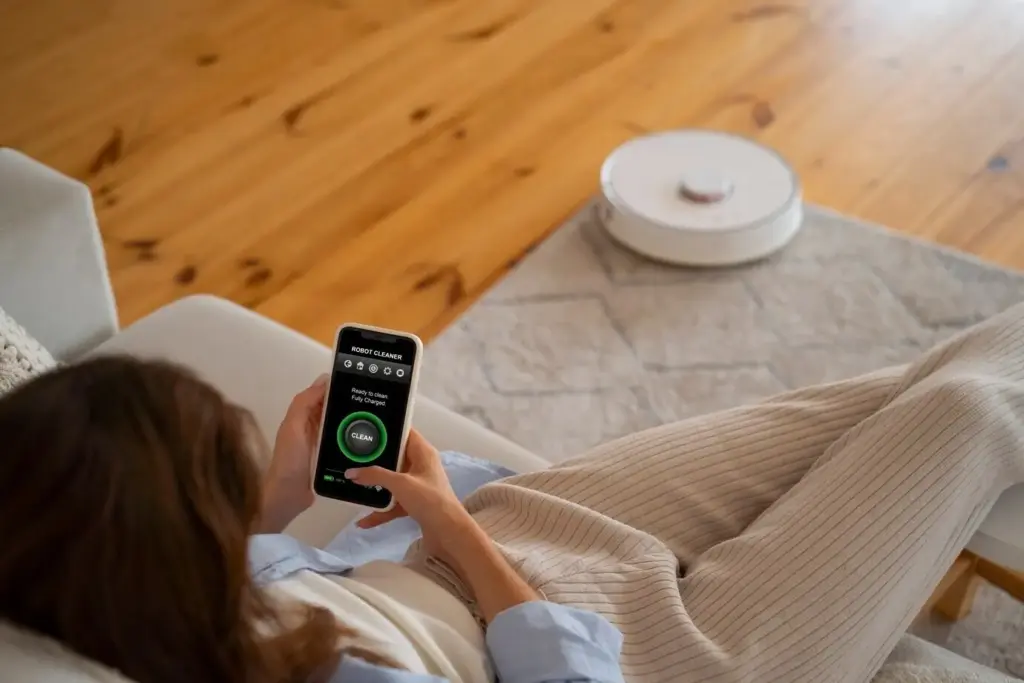
Choosing the right device for each space reduces friction and makes privacy practical rather than abstract. In entryways, consent-focused locks remove key chaos while honoring individual schedules. In kitchens, shared plugs and energy monitors track appliances without exposing personal routines. In bathrooms and bedrooms, non-camera sensors protect comfort without feeling invasive. Throughout, prioritize visible status indicators, physical kill switches, and profiles that differentiate private areas from shared zones. The result is a home that feels fair, predictable, and quietly helpful.
Entryway: smart locks and access logs that respect consent
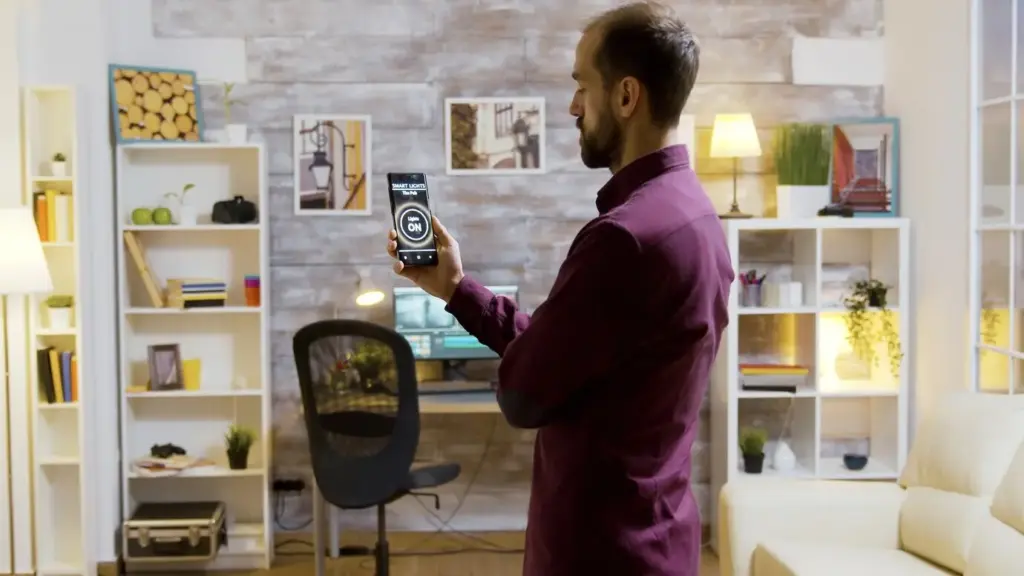
Modern locks can streamline life, but the right configuration matters. Use individual, revocable digital keys and avoid centralized codes that blur responsibility. Choose hardware offering offline unlock, tamper alarms, and encrypted credentials. Limit access logs to short retention periods and restrict visibility to essential details, like successful or failed attempts, rather than precise identities at all times. Emergency override options belong to everyone, while day-to-day control matches each resident’s needs. When packages arrive or guests visit, temporary credentials keep trust intact.
Kitchen: energy monitors and appliances that avoid over-sharing
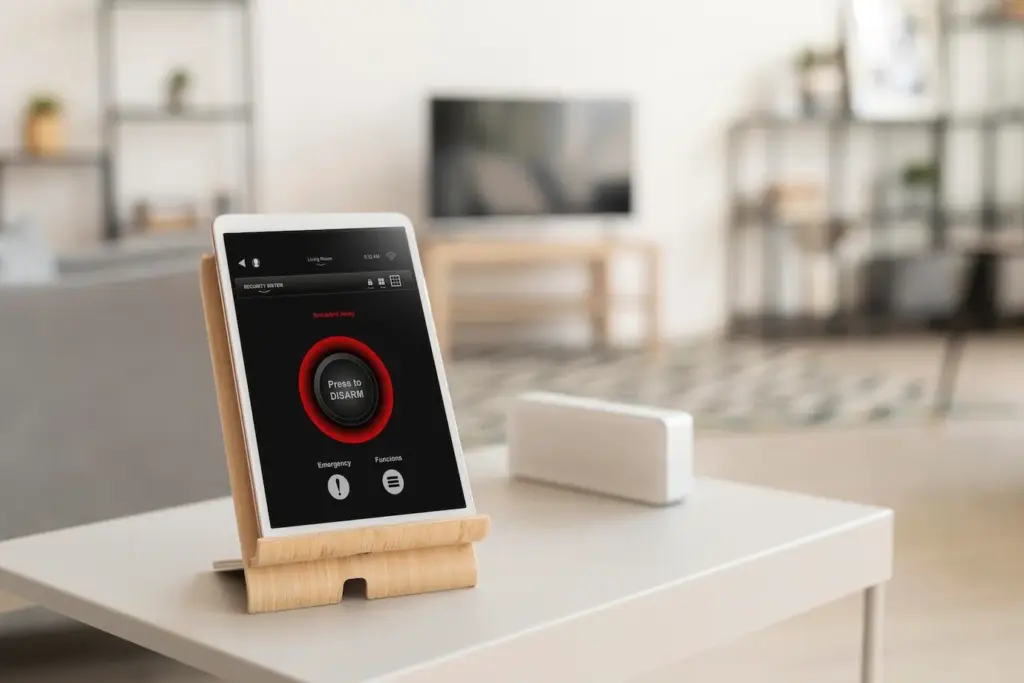
In communal kitchens, efficiency and fairness often collide. Use smart plugs with per-outlet metering for shared appliances, publishing only aggregate usage for bill-splitting, not timestamps revealing personal habits. Automations can preheat kettles during agreed windows, switch off forgotten devices, and notify the group if the fridge door is ajar without naming who left it. Keep microphones out of this room unless absolutely necessary, and prefer devices with local buttons and clear lights so anyone can operate them comfortably without opening an app.
Real Stories from Shared Living
Experiences from real apartments highlight what works and what backfires. Small choices—like disabling camera audio or shortening notification windows—often decide whether technology feels supportive or intrusive. Stories remind us to prioritize empathy, keep humor alive during setup hiccups, and iterate slowly. When roommates co-create rules, the gadgets disappear into the background, and harmony returns. These vignettes blend cautionary moments and quiet victories, showing how trust grows when data stays local, consent is explicit, and every resident feels genuinely respected.
Three roommates fought nightly over temperature, until they agreed on personal comfort zones with sensor-driven automation that adjusted by occupied room, not one global setting. They published rules in a shared note, limited alerts to daytime, and stored data locally. Arguments faded as the system learned patterns politely. The surprising hero was a simple door sensor that prevented blasting heat into empty rooms. Savings appeared on the bill, but the bigger win was fewer tense whispers in the hallway after midnight.
After a hectic weekend, a resident lost keys, sparking panic about rekeying costs. Their privacy-aware lock let them revoke only the missing credential, audit recent attempts, and issue a temporary phone-free code for Monday’s dog-walker. No cameras were consulted, no blame assigned, and the group extended log retention by just one week to feel secure. The incident validated chosen safeguards: rapid credential rotation, minimal data exposure, and humane defaults that solve problems without turning roommates into investigators or judges.
Consent-first setup checklist
Begin with a conversation, not a cart. Decide where cameras are never allowed, define microphone rules, and choose defaults that protect the shyest roommate. Map devices to rooms publicly, label physical switches, and confirm every resident’s notification preferences. Turn off remote access until everyone agrees. Document how to pause automations when someone is sick or studying. Ask each person to test features with their own phone before rollout. A deliberate start ensures the first week builds confidence instead of triggering surprise or resentment.
Data retention with a timer
Collect only what you truly need, and delete quickly. Set camera clips to auto-expire in days, not months, and keep access logs short unless an incident demands temporary extension. Aggregate sensor data for trends rather than storing minute-by-minute histories. Use clear schedules that everyone can view, with timestamps of last deletion and any exceptions. When a roommate moves out, purge their identifiers immediately. Treat retention like leftovers in the fridge: if nobody plans to consume it soon, it should not linger for comfort’s sake.
Budget-Friendly Picks and Upgrade Paths
You can build a respectful, capable setup without overspending. Start with a few high-impact devices—entry lock, shared room lighting, and occupancy sensors—prioritizing local control and standards support. Add energy-saving plugs, then consider privacy-conscious shades or air quality sensors. Upgrade gradually, replacing cloud-only gear with interoperable options that survive roommate churn and Wi‑Fi changes. Keep firmware updated, but avoid forced accounts when possible. A small, well-governed stack beats a sprawling, chatty collection. Plan like a co-op: sustainable, transparent, and easy to hand off.

Community, Etiquette, and Ongoing Learning
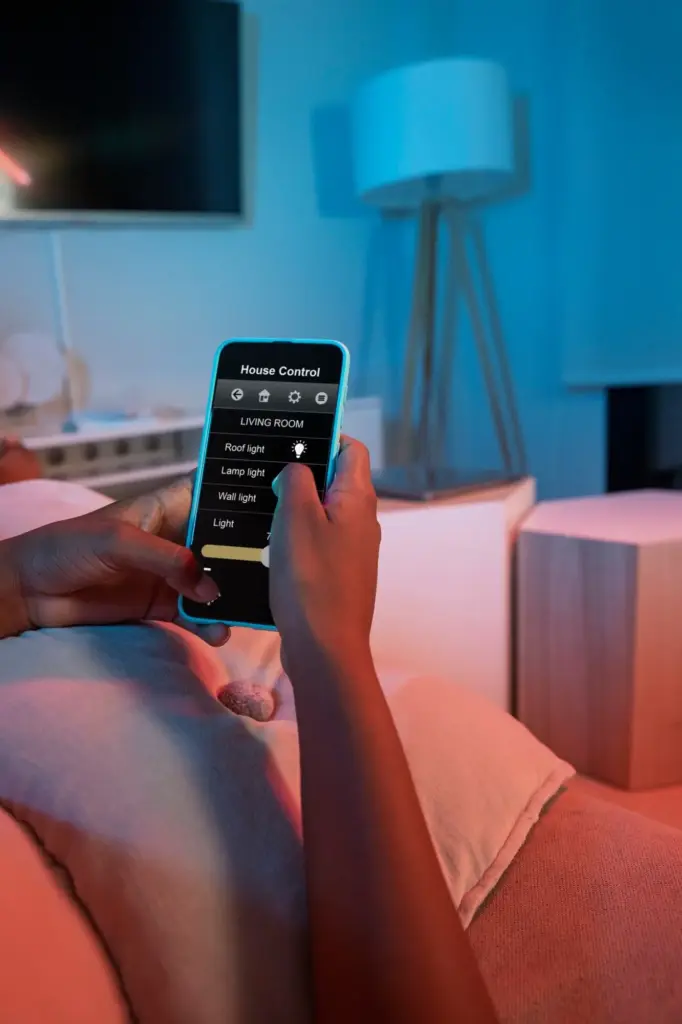
Technology is only half the story; the rest is culture. Celebrate small improvements, like a quieter morning routine or fewer lockouts. Share links to privacy resources, host short demos for new roommates, and rotate maintenance tasks so knowledge doesn’t concentrate. Encourage feedback before frustrations harden, and invite guests into the conversation with transparent visitor settings. Subscribe to updates from privacy advocates and standards groups. A living home learns, adapts, and keeps kindness at its core, with devices serving people, not the other way around.

All Rights Reserved.